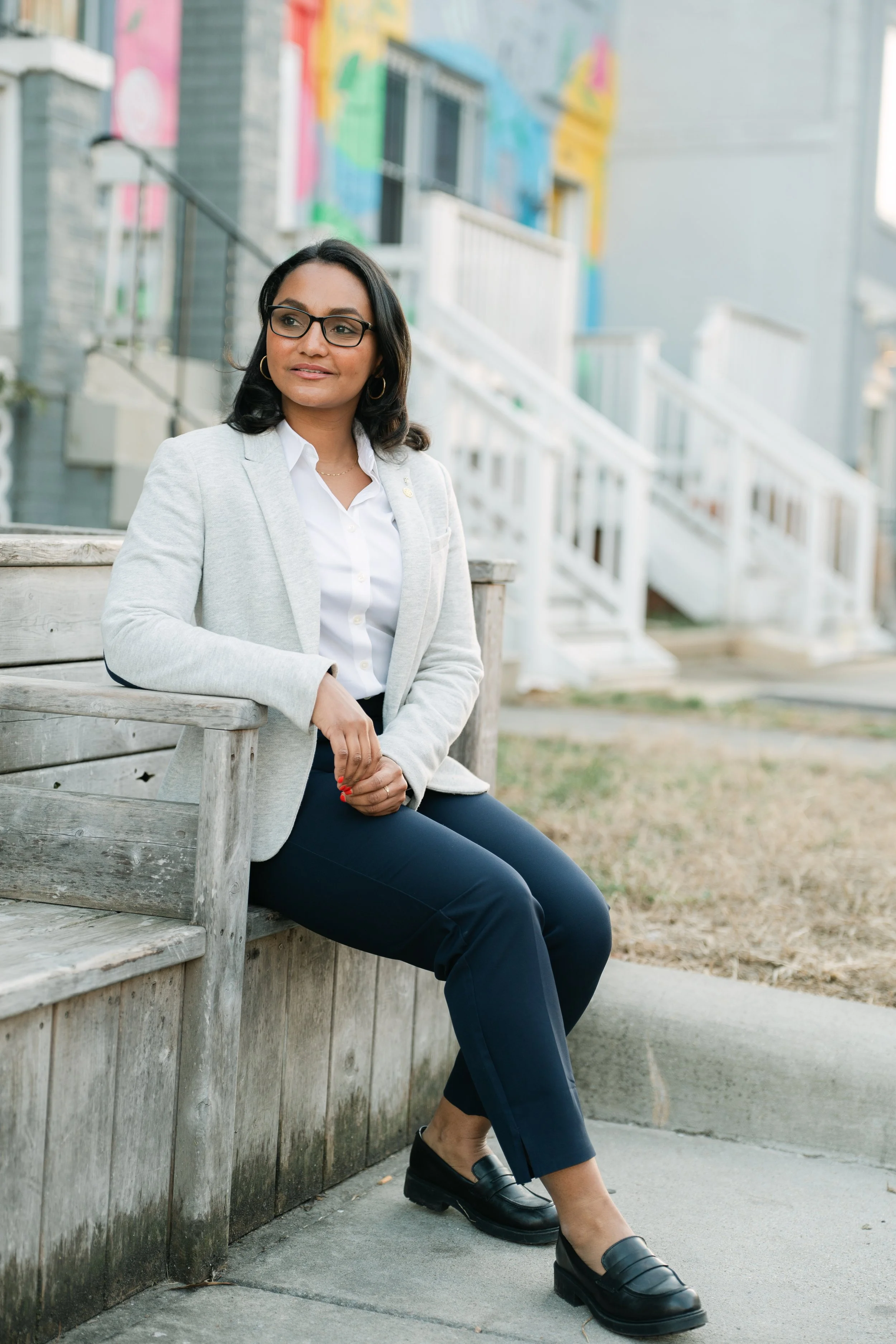
“We can be transparent about it - foster care can be traumatizing for everyone involved, and we can only improve the system if we work together.”
About Me
I entered foster care at 14 and eventually aged out when I left home to attend West Virginia University. I often describe myself as the “5-4-3-2-1 case,” because during my time in care I lived in 5 foster homes, 4 group homes/residential facilities, worked with 3 social workers, had 2 mentors, 1 CASA worker, and a Guardian ad Litem. Every one of these people shaped my journey in ways big and small—supporting me, challenging me, and ultimately helping me reach adulthood.
Like many young people, I believed that earning a college degree would automatically create stability. Instead, I graduated into a world where I was on my own—no network, no roadmap, and no real guidance. That experience is far too common for young adults leaving care.
After years of searching for my footing, a job opportunity opened the door to clarity and direction, and at 28, I became an Executive Director. Since then, I’ve had the privilege of leading various nonprofit organizations, and today I serve as the Executive Director of the Foster and Adoptive Parent Advocacy Center (FAPAC). My path wasn’t easy, but every misstep, every breakthrough, and every lesson helped shape the person I am now. While I wish I hadn’t had to navigate it alone, doing so taught me firsthand what young people truly need as they transition out of care.
In conversations about foster care, we often focus heavily on trauma—and while that is real and important, we underestimate the power of tangible experiences that build confidence, identity, and resilience. I learned this myself when I earned a spot on the Women’s Rowing Team at WVU. Making the team didn’t erase my trauma, but it gave me something equally important: belief in myself. Young people in care need opportunities to win, to build mastery, and to experience the kind of positive childhood experiences that counteract trauma and support mental health.
And that requires teamwork. Foster youth thrive when every adult in their life—foster parents, social workers, CASAs, attorneys, coaches, teachers, mentors, and birth families—learns to collaborate, communicate, and work through the difficult moments together. When the adults function as a team, youth win. And when youth win, they grow into adults who can navigate the inevitable challenges life brings.
My mission today is simple: bring people together to transform the foster care experience through collaboration, compassion, and action. I speak to organizations, agencies, and communities across the country because I believe deeply that we can do better—and that we must do it together.
I look forward to partnering with you to inspire change, strengthen support systems, and help every young person in foster care find their place, their purpose, and their power.
Send inquiries to najibah@dcfapac.org